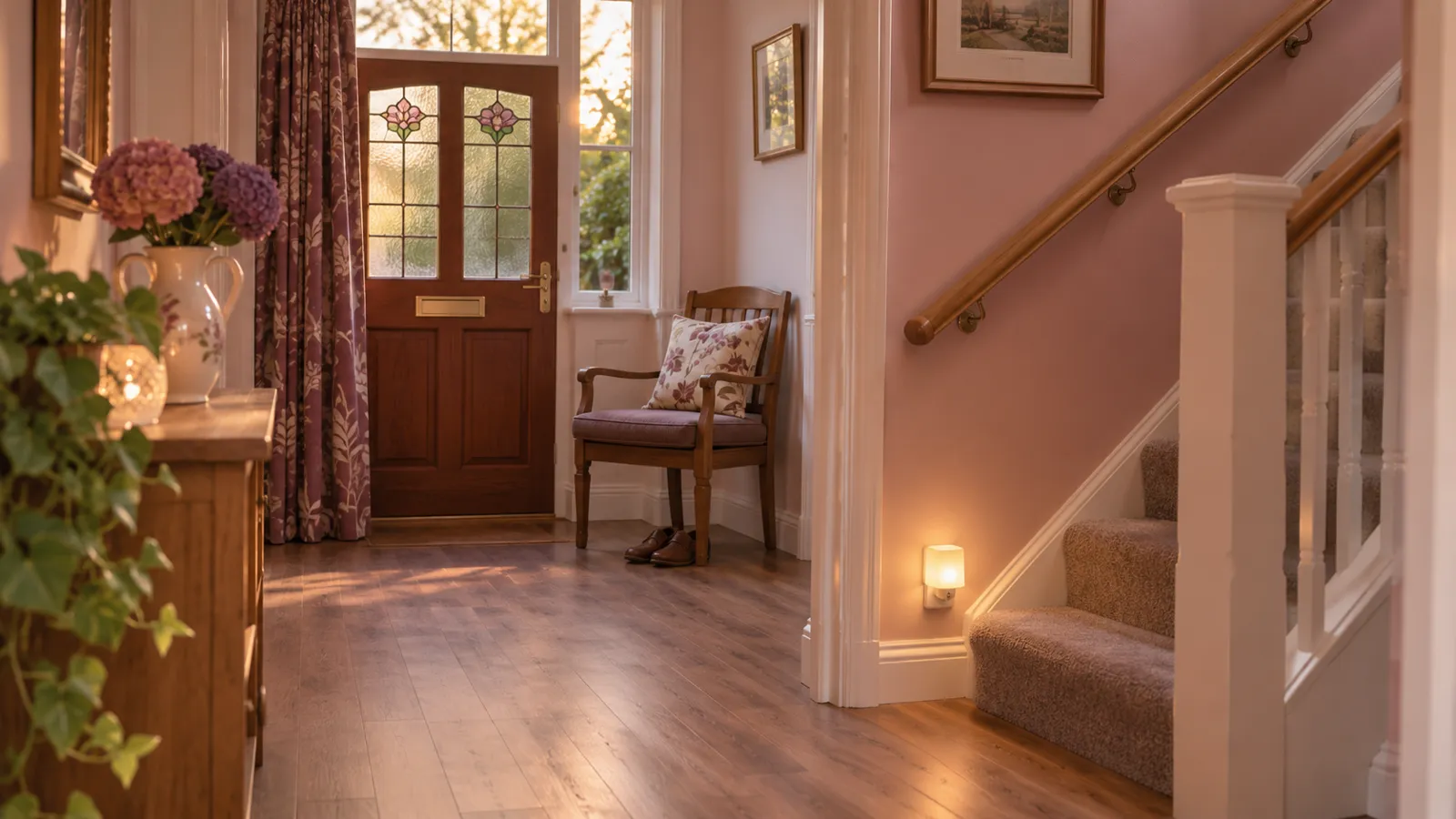
A big research review from 2023 looked at falls at home. Falls happened 38% less often for people more likely to fall, after their homes were made safer. Clutter was one of the dangers they reduced.
A fall, or a near miss, changes how a home feels. The hallway that was often fine now looks risky. The stairs used for thirty years now need care. But there is hope here too. The home is one thing you can change. You cannot fix everything. You can clear a path, move a lamp, and make daily walks safer.
What the research says about preventing falls at home
Good evidence comes from a 2023 Cochrane review. A Cochrane review gathers the best studies on one question and sums them up. That is why its findings carry weight. This one looked at 22 studies and 8,463 older people living at home. Each study here was a trial. A trial tests a change on one group of people and compares them with a similar group, chosen by chance, without the change.
For people picked because they were more likely to fall, making their homes safer cut how often they fell by 38%. The “rate of falls” means how many falls happened over a set time, and that rate went down by 38%. That figure comes from 9 trials with 1,513 people. The evidence was rated high certainty. High certainty means the researchers are confident the true effect is close to this. The homes got checks, then changes. Non-slip strips on steps were one change. Keeping clutter off the floor was another.
There is an honest limit, though. For people not picked for fall risk, the result was different. Across six trials with 3,780 people, making the home safer made no clear difference to falls. So this helps people more likely to fall: for example, someone who has fallen in the past year, has recently been in hospital, or needs help with daily tasks. For others, the trials found no effect on falls. That is worth knowing before anyone starts a big project.
One more thing to be clear about. Clutter is one danger among several. The trials looked at the whole home, not just clutter. Clearing the floor is one part of that bigger picture.
The routes that matter most
You do not need to rethink the whole house. Start with the paths walked every day. Those paths are used the most.
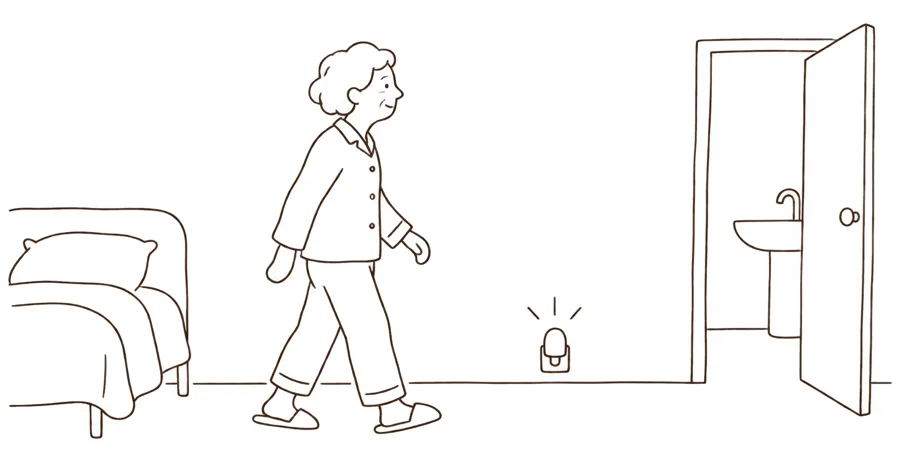
- Bed to bathroom at night. This route is often walked in the dark. Keep it clear, with a light that is easy to switch on from the bed.
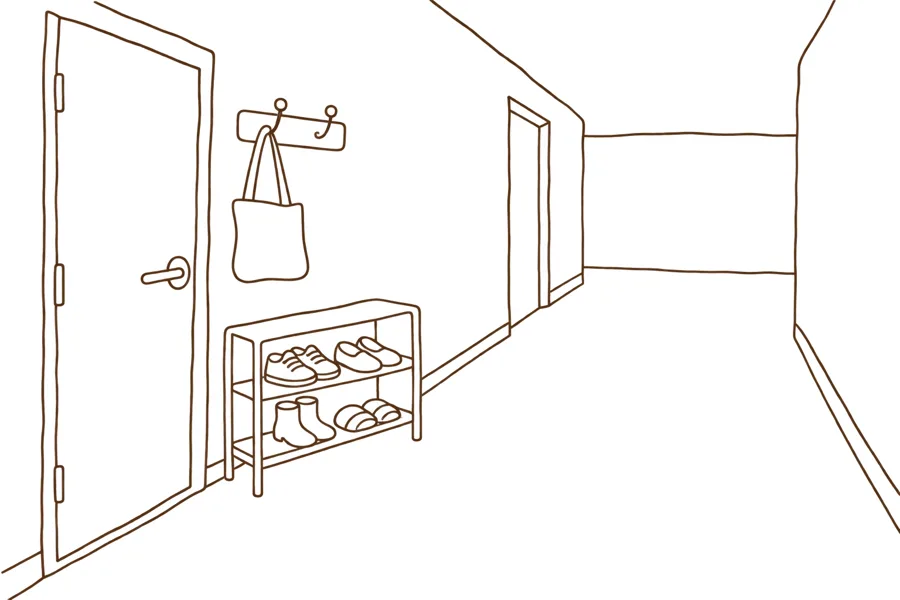
- The front door. Post, shoes, bags, and shopping pile up here. A clear stretch from the door to the hall makes coming and going steadier.
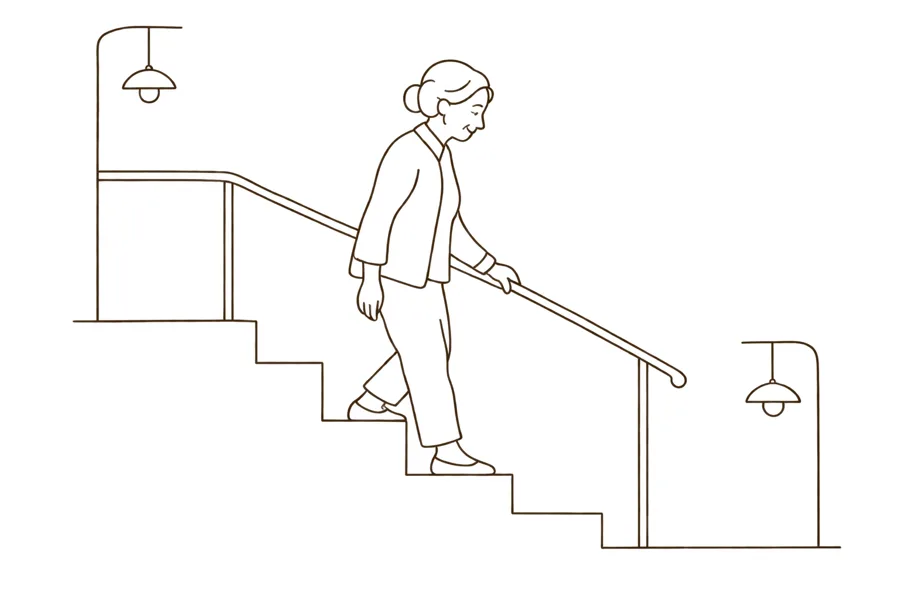
- The stairs. Nothing on the treads or the landing edges. Good lighting top and bottom.
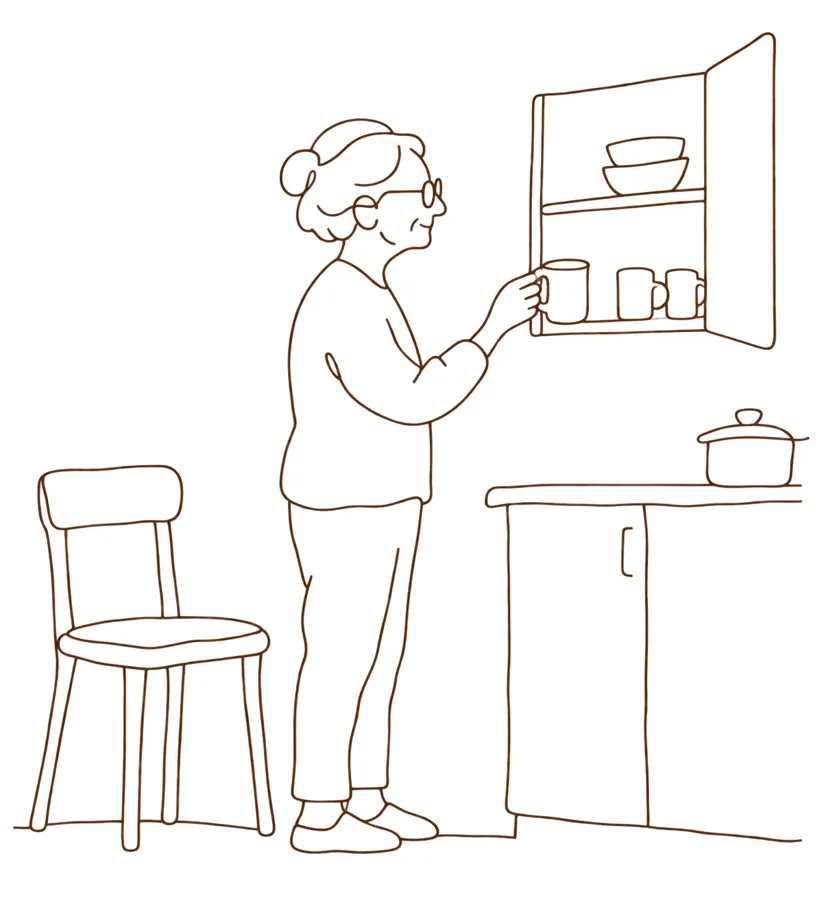
- The kitchen. Move daily items to between waist and shoulder height. Then there is no need for a step stool. A sturdy chair nearby gives somewhere to sit while putting shoes on or waiting for the kettle.
Beyond these routes, the usual suspects are cables on the floor and loose rugs that slide. Dark corners on the way to the bathroom at night are another. Each is a small fix. Together they change how the home feels to walk through.
Doing it with them, not to them
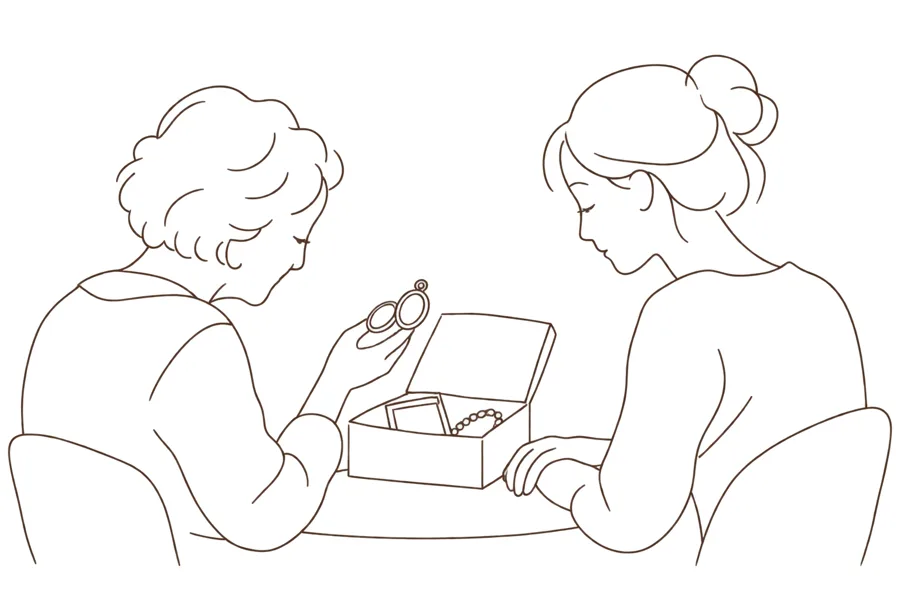
This part matters most. It is where the peer support way of working helps. It is their home and their things. A clear floor is a poor trade if it costs someone their sense of being in charge.
So start with one route, not the whole house. Ask which one worries them most. Ask which one feels hardest at night. Work side by side. Let them decide what stays and what goes. Keep the things that matter to them within easy reach, not boxed away in a loft. A shelf of treasured photos at eye level is not clutter. It is the point of the exercise.
Who else can help
We are not clinicians, and some questions need a clinician. If your parent has fallen, feels dizzy or unsteady, or has started avoiding the stairs, that is worth raising with their GP. The NHS runs falls services in most areas. They can assess strength, balance, and walking.
An occupational therapist can visit the home. An occupational therapist helps people manage daily tasks safely. They can check the routes and dangers in detail, and arrange rails, equipment, and adaptations. Age UK also offers practical advice and local support. These services handle the health and equipment side. Here at Healing Spaces, Karina Barboza (Kari) takes on the sorting and clearing side. The bags, the boxes, the paper, the things that have gathered on the floor over years. The two can work side by side.
Starting with a first step
A fall or a near miss can leave you wondering where to begin. The everyday routes are a good place to start. If you’d like a hand with the sorting and clearing side, book a free first chat.
Source: Clemson L and colleagues (2023). Environmental interventions for preventing falls in older people living in the community. Cochrane Database of Systematic Reviews. doi:10.1002/14651858.CD013258.pub2